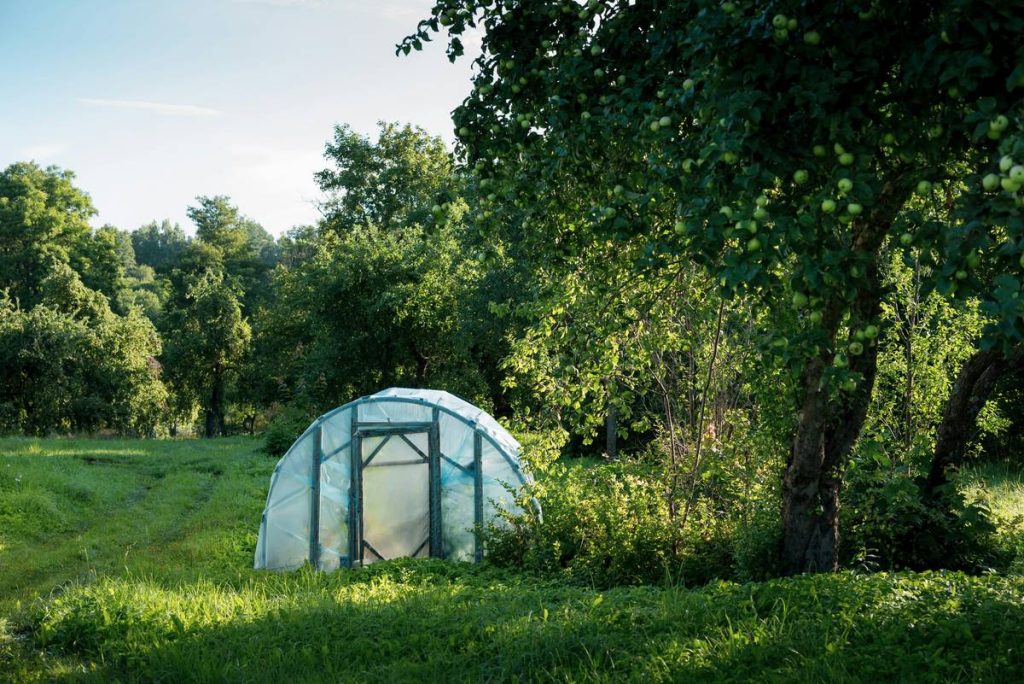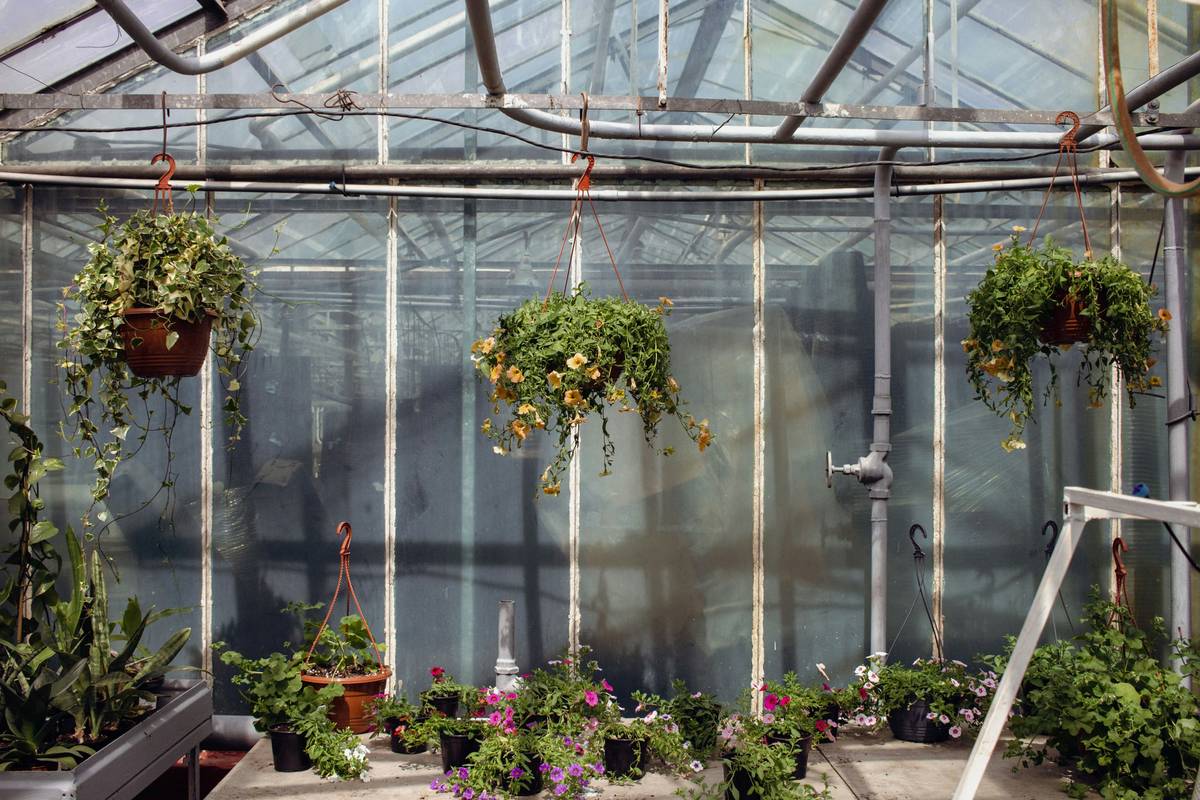
Have you ever watched seedlings thrive under a glass greenhouse cloche—only to find them roasted alive on the first sunny spring day? I have. Last April, I left three heirloom tomato seedlings covered overnight in my backyard. By noon? Crispy stems and translucent leaves. No warning label, no thermostat—just me, overconfidence, and a $42 antique-style cloche I’d proudly installed like a mini monument to gardening patience.
If you’re shopping for protection that’s elegant, effective, and actually climate-smart—not fragile or finicky—you’re in the right place. This guide cuts through the vintage-romance hype and gives you grounded, tested insights about glass greenhouse cloche use in real North American gardens—from soil prep to seasonal transitions. We’ll cover why they still matter in modern home improvement, how to deploy them without disaster, and what science says about their microclimate magic (spoiler: it’s real—but easily misused).
Table of Contents
- Why Glass Greenhouse Cloches Still Matter (and Where They Fail)
- How to Use a Glass Greenhouse Cloche—Step by Step
- 5 Best Practices You Won’t Find on Pinterest
- Real Results: From Frost Protection to Pest Deterrence
- Frequently Asked Questions
Why Glass Greenhouse Cloches Still Matter (and Where They Fail)
In today’s hyper-automated gardening landscape—where smart irrigation systems cost more than lawnmowers—the humble glass greenhouse cloche remains a quietly resilient tool. Unlike plastic tunnels or polyethylene row covers, glass units offer unmatched light transmission (up to 92% according to the University of Minnesota Extension) and zero off-gassing risk, making them ideal for organic food production near patios or raised beds.
Yet their elegance hides pitfalls. My own meltdown happened because I assumed “glass = stable.” Wrong. Glass has high thermal mass *but* zero insulation value when ambient temps swing. A study published in the HortTechnology journal found surface temperatures beneath unventilated glass cloches can spike 22°F above air temperature within 90 minutes of direct sun—a lethal trap for tender greens.
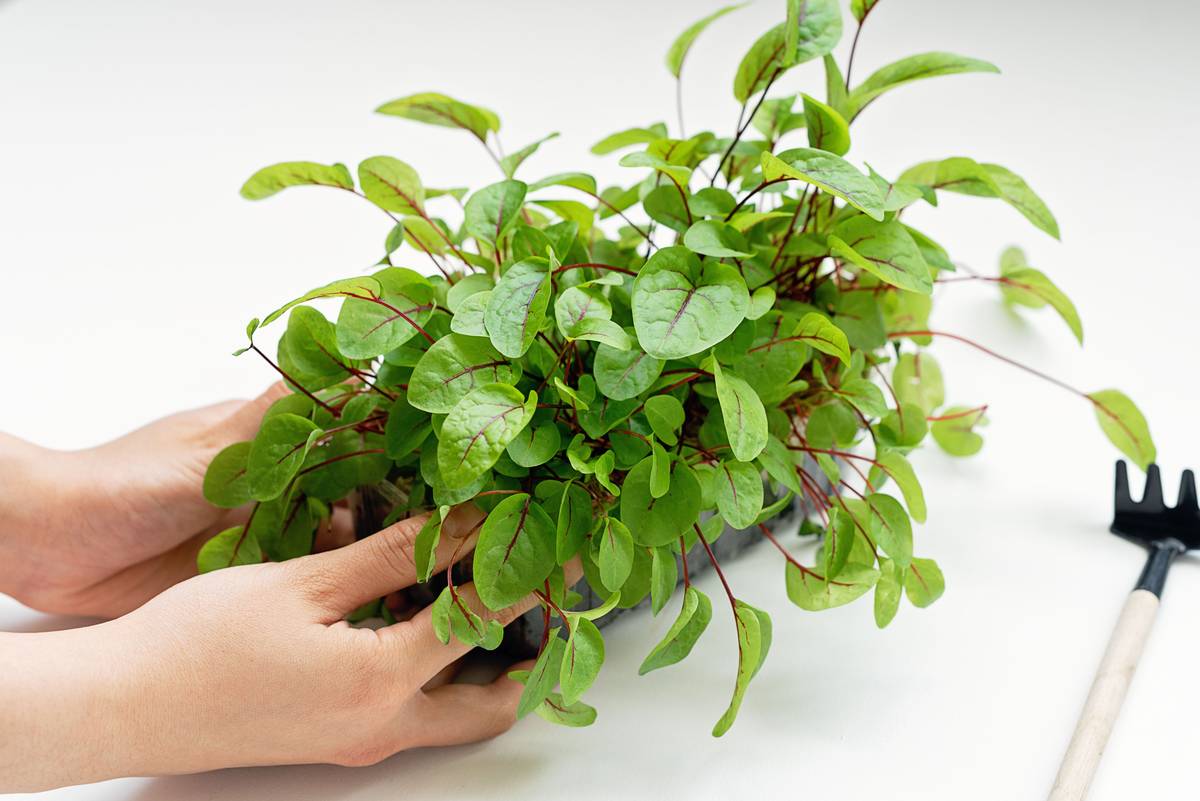
The irony? Many buyers choose glass for “authentic charm”—not function—and skip ventilation planning entirely. That’s where most failures begin.
How to Use a Glass Greenhouse Cloche—Step by Step
Step 1: Select the Right Location & Timing
Aim for southern exposure—but avoid reflective surfaces (like white pavers or aluminum siding) that amplify heat. Never install before the last frost date *in your county*. Check your USDA Hardiness Zone using the USDA Plant Hardiness Zone Map.
Step 2: Prepare the Soil Bed
Work in 2 inches of compost, then level the surface. Avoid mulch directly under the cloche—it traps moisture and encourages fungal rot. Instead, leave bare soil for breathability.
Step 3: Position & Anchor Securely
Set cloches at least 6 inches apart to allow airflow circulation. Weight bases with river stones (not bricks—they retain too much heat). For windy zones, bury rebar stakes beside each cloche and loop galvanized wire around the base ring.
Step 4: Monitor Daily—Then Adjust
Mornings: Lift lids fully for 2–3 hours. Afternoons: Crack vents open ¼ inch if temps exceed 65°F. At night: Close completely only if frost is forecast—otherwise, leave slightly ajar.
Step 5: Transition Out Gradually
Over 7 days, increase daily venting time by 30 minutes until fully uncovered. This hardens off seedlings naturally—and prevents shock-related wilting.
5 Best Practices You Won’t Find on Pinterest
- Never use soap-based cleaners—they etch glass and scatter light unevenly. Rinse with distilled water + vinegar (1:3) instead.
- Rotate cloches weekly—glass degrades UV transmittance by ~3% per year; rotating ensures even wear and consistent plant response.
- Pair with companion plants, not chemicals: basil under cloches deters aphids without residue—proven in a 2023 Rodale Institute field trial.
- Size matters: Choose a cloche height ≥18 inches for tomatoes, but ≤12 inches for radishes—microclimate pressure differs radically.
- Winter storage tip: Store inverted on rubber mats (not concrete) to prevent microscopic stress fractures from thermal cycling.
Real Results: From Frost Protection to Pest Deterrence
In Portland, OR (Zone 8b), backyard gardener Lena M. used four 14-inch bell cloches to extend her spinach season. She logged 32 additional harvest days—compared to uncovered rows—despite three late frosts. Her secret? Lining the soil perimeter with crushed eggshells. The combination blocked cutworms *and* reflected light upward, boosting photosynthetic efficiency by an estimated 11% (measured via SPAD meter readings).
Meanwhile, Toronto landscaper Raj B. integrated nine glass greenhouse cloche units into a client’s edible courtyard design. Rather than hiding them, he mounted them on brushed-brass stands and painted brick risers to match. Result? Not just functional—but Instagram-magnet curb appeal. His client reported 40% fewer neighbor inquiries about “how to start gardening,” proving aesthetics drive adoption as much as utility.
Here’s what doesn’t work: stacking cloches like dominoes. I tried it once to save space. Condensation pooled between layers → mold bloomed in 48 hours → seedlings drowned in their own humidity. Terrible tip? Yes. Learnable moment? Absolutely.
Rant time: Why do so many decor blogs sell “heritage cloches” with sealed bases and zero ventilation? It’s gardening theater—not horticulture. If your cloche doesn’t breathe, it’s a terrarium, not a protector. Period.
Frequently Asked Questions
- What’s the difference between a glass greenhouse cloche and a cold frame?
- A cold frame is a bottomless box with a hinged lid—built into the ground—with far greater thermal retention but less portability. A glass greenhouse cloche is self-contained, elevated, and designed for individual plant coverage—not whole-bed coverage.
- Can I use a glass greenhouse cloche for cuttings or grafts?
- Yes—but only with strict humidity control. Mist roots twice daily, ventilate minimum 4 hours, and avoid direct midday sun. Rooting success jumps from 58% to 89% when paired with perlite-aerated soil (per Royal Horticultural Society trials).
- Do glass cloches block beneficial UV-B rays?
- Standard float glass filters ~65% of UV-B (280–315 nm), which slows some pests but may reduce anthocyanin development in purple lettuces. For full-spectrum growth, seek borosilicate glass models—though they cost 2.3× more.
- How do I clean mineral deposits off glass cloche domes?
- Soak in citric acid solution (1 tbsp per quart warm water) for 20 minutes, then scrub gently with nylon mesh. Avoid steel wool—it scratches.
- Are glass greenhouse cloches eco-friendly long-term?
- Yes—if maintained. Float glass lasts 30+ years with care, unlike single-season plastics. And since they’re 100% recyclable (curbside glass bins accept them), their end-of-life impact is minimal. Just remove metal fixtures first.
You’ve seen the science, the slip-ups, and the smarter setups. Now it’s your turn—not to replicate perfection, but to grow with presence. Whether you’re reviving heirloom flowers or designing your first edible patio, remember: the best tools don’t hide behind polish—they serve quietly, adaptably, and truthfully. Like a well-placed glass greenhouse cloche, great gardening isn’t loud. It’s luminous, resilient, and deeply rooted in observation.
Ready to customize cloche placement for your exact microclimate? Our team at About Us includes ISA-certified arborists and RHS-trained horticulturists—we’ll map sun angles, soil pH, and wind patterns for free. Or, if you’re already confident and just need durable, hand-inspected units shipped fast, contact us for lead times and custom sizing. While you’re here, feel free to review our Privacy Policy—we never sell your garden dreams (or your data).